Food is the most powerful tool in chronic disease control.
Research shows that up to 80% of type 2 diabetes cases and 70% of hypertension can be managed — or even reversed — with targeted dietary changes. Yet most Nigerian patients are given generic advice that ignores local food culture.
At SymplyHealthWise, our dietitians create personalised meal plans using traditional Nigerian foods — because you shouldn't have to abandon your culture to stay healthy.

Smart Dietary Tips for Chronic Conditions
Replace stock cubes with dried herbs, uziza, scent leaf, and crayfish in small amounts for natural flavour without blood pressure risk.
Use the plate method: ½ vegetables, ¼ lean protein (fish, beans), ¼ complex carbs (brown rice, unripe plantain).
Boil, steam or stir-fry. Reduce deep frying by 80%. Use smaller oil quantities — 1–2 tbsp per pot instead of 1 cup.
White rice → brown rice or unripe plantain. White eba → unripe plantain flour. Regular bread → oats or wheat bread.
20 Delicious Dishes, Clinically Approved
Filter by your condition to see what's best for you

Efo Riro (Spinach Stew)
Loaded with iron, folate, potassium and fibre. One of Nigeria's most nutritionally complete dishes. Excellent for blood pressure control.

Moi Moi (Bean Pudding)
Excellent plant protein source. Low glycaemic index — stabilises blood sugar. High fibre keeps you full longer.

Catfish Pepper Soup
Lean protein, very low fat. African pepper soup spices (uziza, ehuru) have anti-inflammatory properties. Light on the kidneys. Great post-illness recovery food.

Unripe Plantain Porridge
Unripe plantain has a very low glycaemic index and is rich in resistant starch — excellent for gut health and blood sugar control. A staple for DiabaCare patients.

Okra Soup (Light)
Okra is high in soluble fibre which slows sugar absorption and lowers LDL cholesterol. Naturally thickening — no additives needed.

Garden Egg Stew
African garden eggs are rich in fibre, potassium and folate. Very low calorie. High in nasunin — a powerful antioxidant for brain health.

Oha Soup
Oha leaves are rich in Vitamins A, C, E, calcium and iron. High in antioxidants. Traditionally cooked with cocoyam thickener — a naturally low-GI starch.

Egusi Soup (Modified)
Melon seeds are protein-dense and rich in magnesium — essential for blood pressure regulation. Reduce oil and pair with eba made from unripe plantain flour.

Akara (Bean Cakes – Air Fried)
Protein-rich and low GI. Black-eyed pea base provides sustained energy. Air-frying or baking replaces deep-frying to cut fat significantly.

Jollof Brown Rice
Brown rice has a lower glycaemic index than white rice. Packed with B-vitamins, magnesium and fibre. A chronic-disease-friendly swap for the classic party staple.

Ofe Akwu (Palm Nut Soup)
Rich in Vitamin E and antioxidants. Use low-sodium stock and reduce palm oil quantity for heart patients.

Banga Soup
Traditional Delta soup rich in healthy fats. Use periwinkle for zinc and selenium. Moderate palm fruit — it contains Vitamin K and E.

Vegetable Ofe Onugbu (Bitter Leaf Soup)
Bitter leaf (Vernonia amygdalina) has proven anti-diabetic and anti-hypertensive properties. Stimulates insulin secretion and reduces glucose absorption.

Groundnut Soup (Light Version)
Peanuts are rich in monounsaturated fats, niacin, and folate — heart-healthy when used in moderation. Pair with eba from unripe plantain flour.
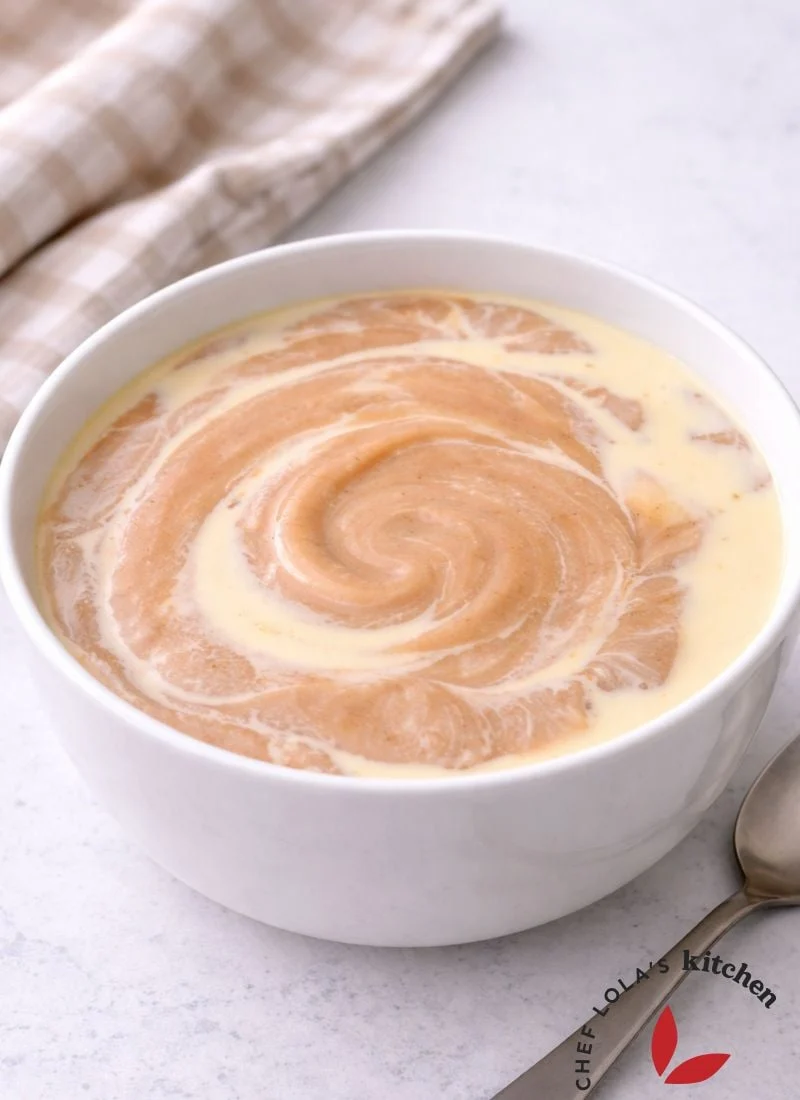
Ogi (Pap) with Moin Moin
Fermented maize pap is rich in probiotics and easy to digest. Combined with moin moin it creates a complete protein meal. Great breakfast for kidney patients needing controlled protein.

Grilled Tilapia with Pepper Sauce
Tilapia is lean, high in omega-3, and extremely low fat. Grilling preserves nutrients. The pepper sauce (tomatoes, onions, peppers) provides lycopene and Vitamin C — powerful antioxidants.
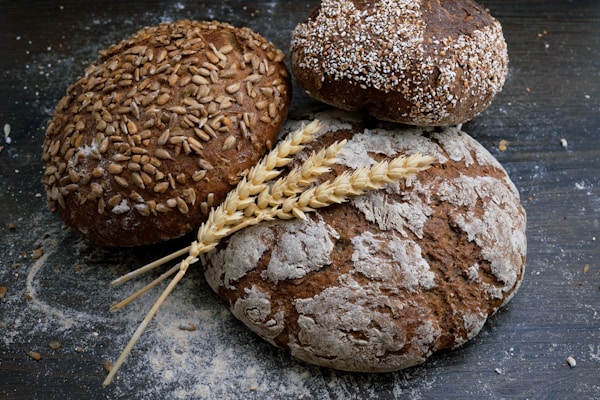
Agege Bread Substitute — Wheat Flatbread
Whole wheat flatbread replaces refined Agege bread — lower GI, higher fibre and B-vitamins. Makes a satisfying base for bean spreads or egg-based toppings.

Zobo Drink (Unsweetened)
Hibiscus (zobo) tea has clinically proven blood pressure-lowering effects. Rich in anthocyanins and Vitamin C. A natural diuretic that reduces fluid retention.

Nsala Soup (White Soup)
Very light, oil-free traditional Igbo soup. Utazi and uziza leaves add medicinal benefits. Catfish base provides lean protein. One of the safest soups for kidney patients.

Abacha (African Salad)
Cassava-based salad packed with garden eggs, ugba, and utazi. Modified version uses minimal or no palm oil and ugba (ukpaka) for healthy fats.
Condition-Specific Meal Guidance
Quick eat/avoid reference cards for common chronic conditions
- • Efo riro with little oil
- • Oha soup with cocoyam
- • Catfish pepper soup
- • Zobo (unsweetened)
- • Moi moi (steamed)
- • Stock cubes / bouillon
- • Smoked fish in excess
- • Fried foods
- • Salty crayfish
- • Processed meats
- • Unripe plantain porridge
- • Moi moi (no egg fish)
- • Okra soup with tilapia
- • Garden egg stew
- • Bitter leaf soup
- • White rice in large portions
- • Ripe plantain
- • Sugary drinks & zobo in excess
- • Puff puff & chin chin
- • White Agege bread
- • Oha soup (minimal oil)
- • Grilled tilapia
- • Garden egg stew
- • Jollof brown rice
- • Zobo (unsweetened)
- • High-fat palm oil soups
- • Red meat frequently
- • Excess salt
- • Fried snacks daily
- • Full-fat dairy
- • Nsala soup (no palm oil)
- • Catfish pepper soup
- • Ogi with moin moin
- • Steamed tilapia
- • White rice (small portion)
- • High potassium foods (iru)
- • Excess crayfish
- • Potash (kaun)
- • High phosphorus foods
- • Excess protein
- • Soft moi moi
- • Efo riro (well cooked)
- • Pap with bean cake
- • Pepper soup (light)
- • Garden egg stew
- • Tough meats
- • Very spicy foods
- • Excess salt
- • Alcohol
- • Skipping meals
- • Okra soup with fish
- • Akara (air-fried)
- • Garden egg stew
- • Catfish pepper soup
- • Unripe plantain porridge
- • Deep fried snacks
- • Sugary drinks
- • Oversized eba portions
- • Puff puff & buns
- • Late-night heavy meals
A Typical Week for a DiabaCare Patient
Real meals, realistic portions, proven results